#Orbis

#Orbis

#Orbis

#Mobiledesign

#Mobiledesign

#Mobiledesign

#Illustrator

#Illustrator

#Illustrator

#Solidworks

#Solidworks

#Solidworks

IoT System for Real-Time Consumption Tracking

IoT System for Real-Time Consumption Tracking

IoT System for Real-Time Consumption Tracking

IoT System for Real-Time Consumption Tracking

IoT System for Real-Time Consumption Tracking

IoT System for Real-Time Consumption Tracking

From residential to industrial settings, this system delivers real-time flow data, empowering users to optimize consumption, reduce waste, and minimize environmental impact.

From residential to industrial settings, this system delivers real-time flow data, empowering users to optimize consumption, reduce waste, and minimize environmental impact.

From residential to industrial settings, this system delivers real-time flow data, empowering users to optimize consumption, reduce waste, and minimize environmental impact.

From residential to industrial settings, this system delivers real-time flow data, empowering users to optimize consumption, reduce waste, and minimize environmental impact.

From residential to industrial settings, this system delivers real-time flow data, empowering users to optimize consumption, reduce waste, and minimize environmental impact.

From residential to industrial settings, this system delivers real-time flow data, empowering users to optimize consumption, reduce waste, and minimize environmental impact.

Problem to Solve

Problem to Solve

For those mindful of their environmental impact and looking to minimize their use of natural resources, understanding water consumption is crucial. Often, the bill amount is the primary reference for evaluating usage, which can lead to uninformed practices and unforeseen outcomes. Clean water is a fundamental need, yet it carries a cost. By simplifying utility systems and providing better tools, we can empower individuals to make informed decisions.
Given these concerns, the question raised was:

How can we create more opportunities for individuals to monitor and track information about water consumption in a specific location?

For those mindful of their environmental impact and looking to minimize their use of natural resources, understanding water consumption is crucial. Often, the bill amount is the primary reference for evaluating usage, which can lead to uninformed practices and unforeseen outcomes. Clean water is a fundamental need, yet it carries a cost. By simplifying utility systems and providing better tools, we can empower individuals to make informed decisions.
Given these concerns, the question raised was:

How can we create more opportunities for individuals to monitor and track information about water consumption in a specific location?

Discovery Process

Discovery Process

Spike was already an idea when I joined Monkey Exchange because small businesses were not being reached in this way. As a design team our job was to work gathering insights on user needs, market trends, and challenges through research and analysis. This phase helped us to validate ideas and create a clear roadmap for product development. With all of these insights and having our assumptions validated we were able to structure conversations with users to understand their real needs.

If you click on the button below, you will see the story behind my design process. I'll guide you through the steps I took during user interviews and demonstrate how I used the insights gained and the feedback from users to shape and deliver the UI layouts.

Spike was already an idea when I joined Monkey Exchange because small businesses were not being reached in this way. As a design team our job was to work gathering insights on user needs, market trends, and challenges through research and analysis. This phase helped us to validate ideas and create a clear roadmap for product development. With all of these insights and having our assumptions validated we were able to structure conversations with users to understand their real needs.

If you click on the button below, you will see the story behind my design process. I'll guide you through the steps I took during user interviews and demonstrate how I used the insights gained and the feedback from users to shape and deliver the UI layouts.

Insights of the research

Insights of the research

Spike was already an idea when I joined Monkey Exchange because small businesses were not being reached in this way. As a design team our job was to work gathering insights on user needs, market trends, and challenges through research and analysis. This phase helped us to validate ideas and create a clear roadmap for product development. With all of these insights and having our assumptions validated we were able to structure conversations with users to understand their real needs.

If you click on the button below, you will see the story behind my design process. I'll guide you through the steps I took during user interviews and demonstrate how I used the insights gained and the feedback from users to shape and deliver the UI layouts.

Spike was already an idea when I joined Monkey Exchange because small businesses were not being reached in this way. As a design team our job was to work gathering insights on user needs, market trends, and challenges through research and analysis. This phase helped us to validate ideas and create a clear roadmap for product development. With all of these insights and having our assumptions validated we were able to structure conversations with users to understand their real needs.

If you click on the button below, you will see the story behind my design process. I'll guide you through the steps I took during user interviews and demonstrate how I used the insights gained and the feedback from users to shape and deliver the UI layouts.

This is where idea comes in…

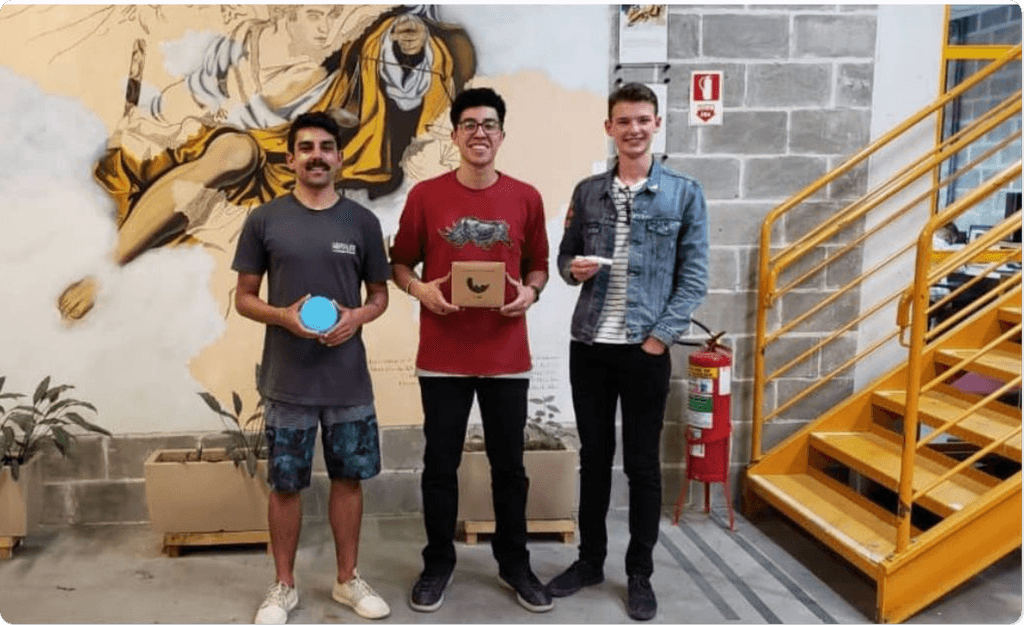
This project was a collaborative effort between myself and my colleagues Adam Curi and Jean Oliveira under my undergrade program at . Our goal was to develop a system for monitoring and translating water consumption data in residential, commercial, and industrial settings.

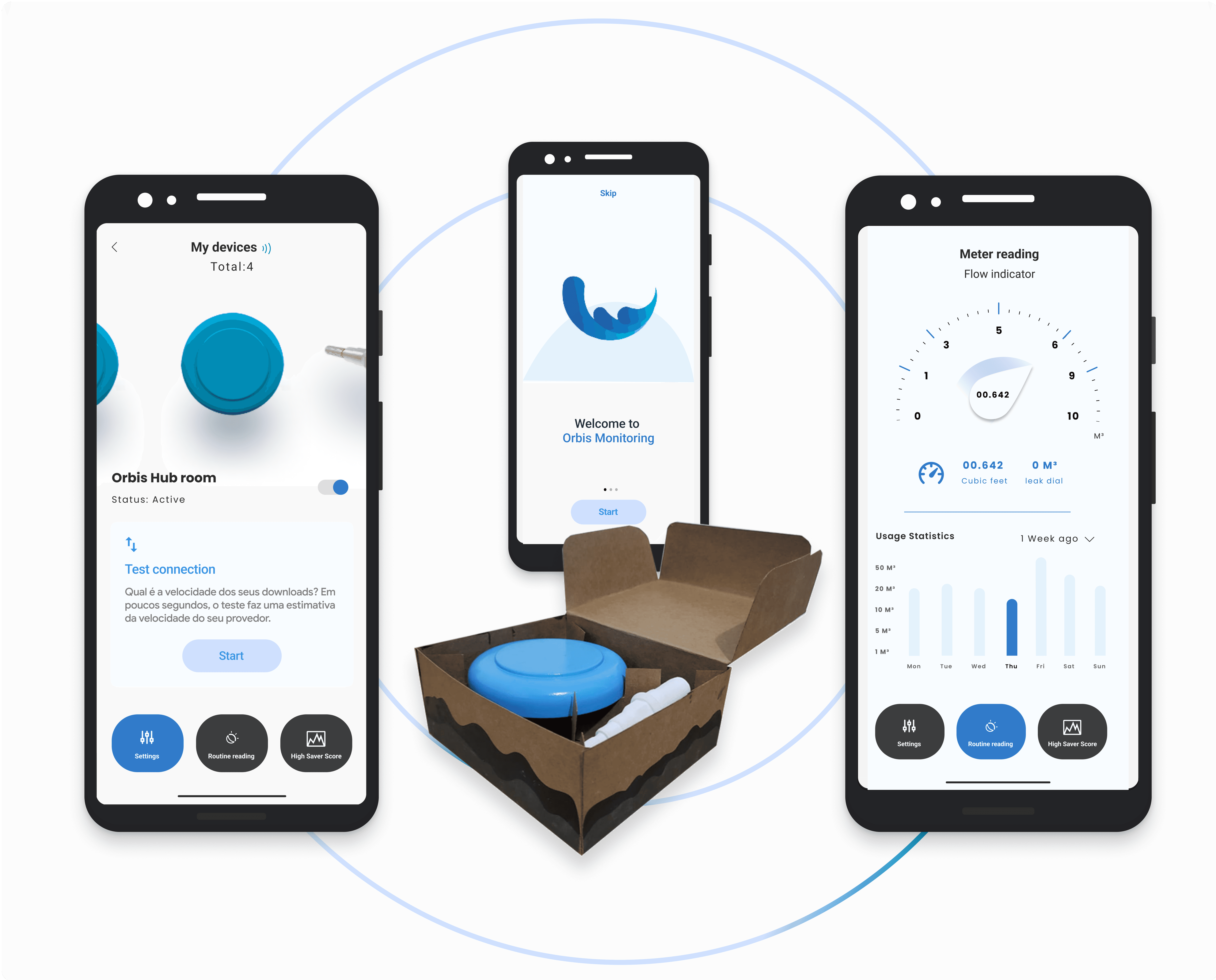
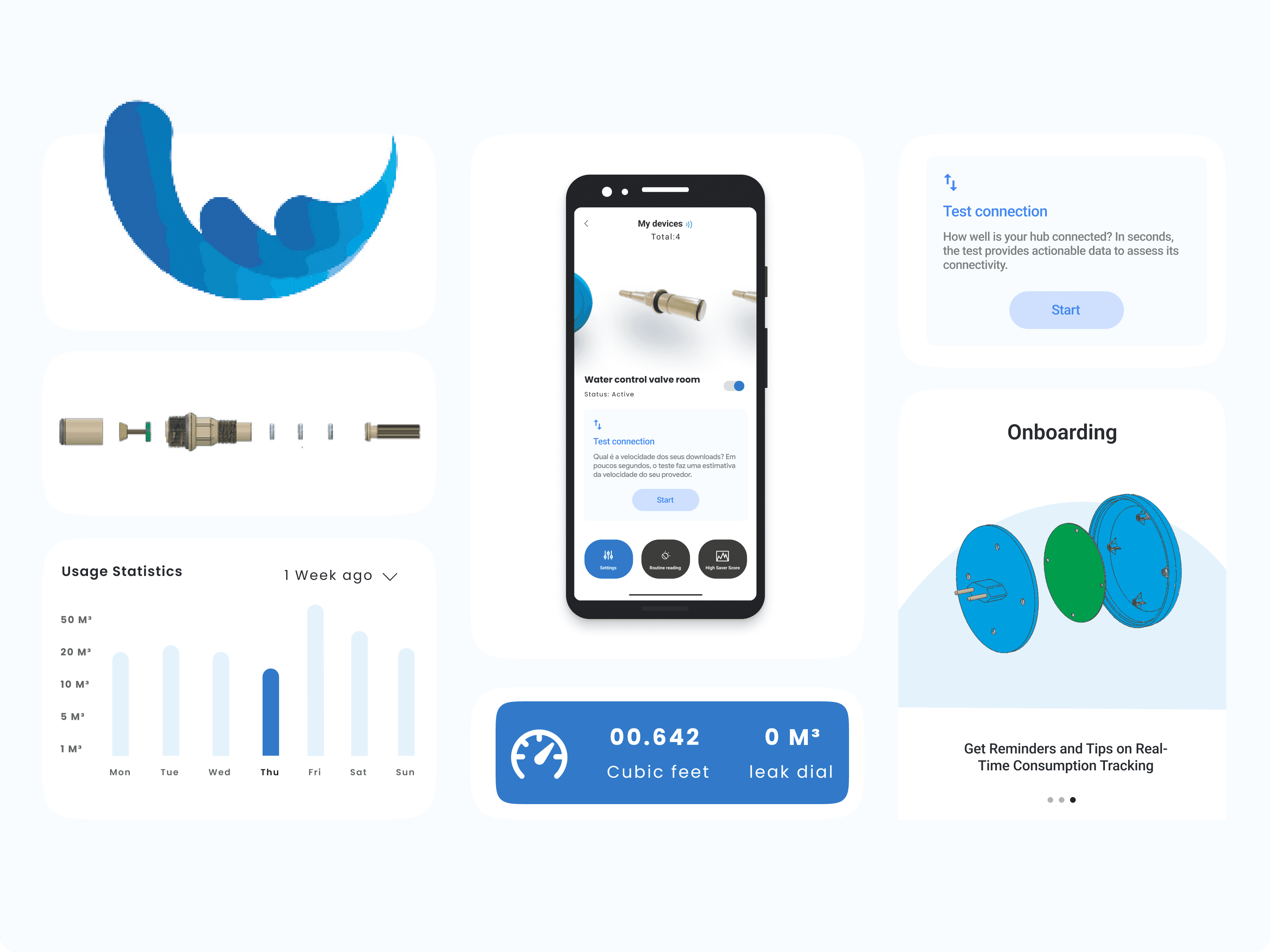
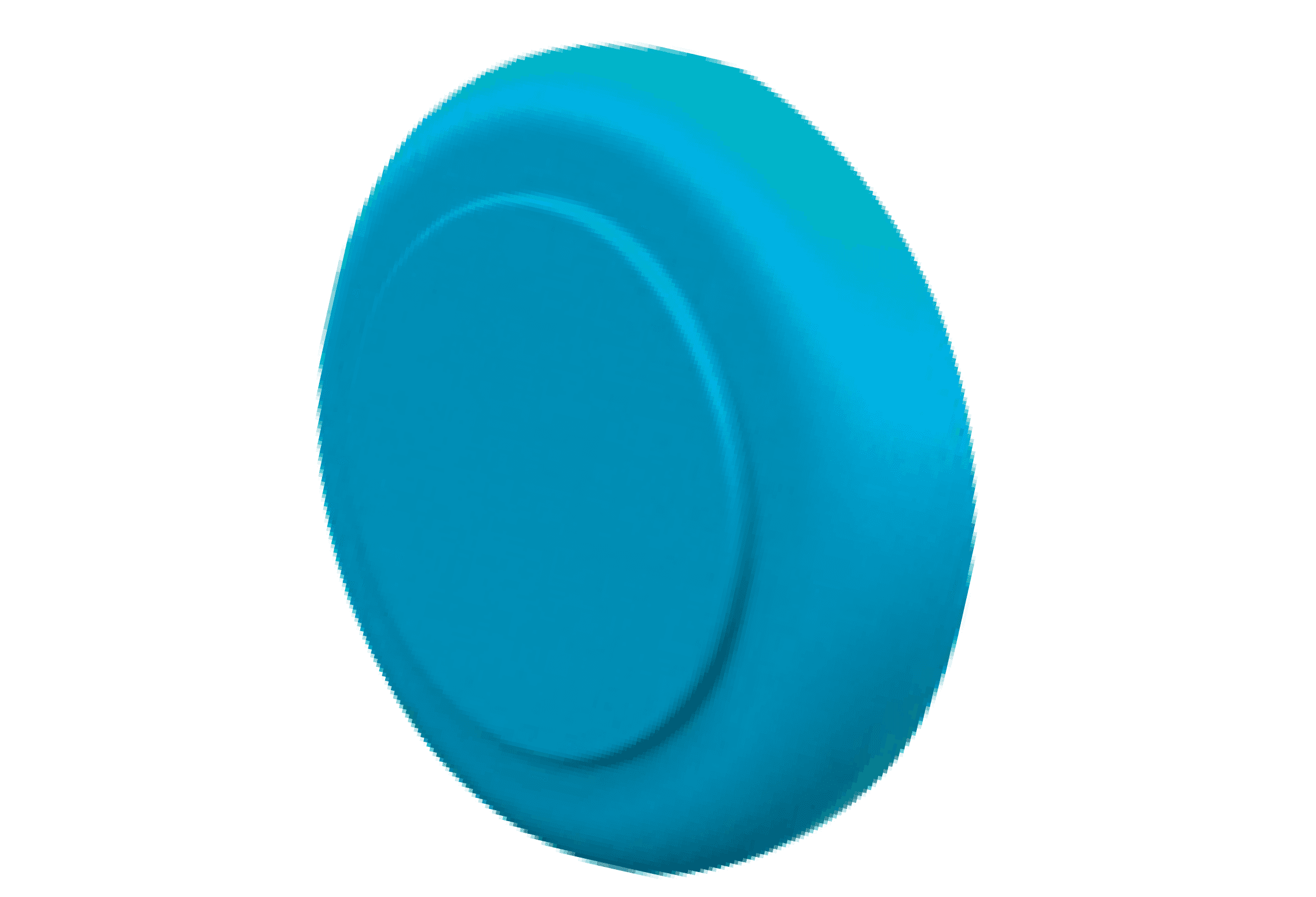
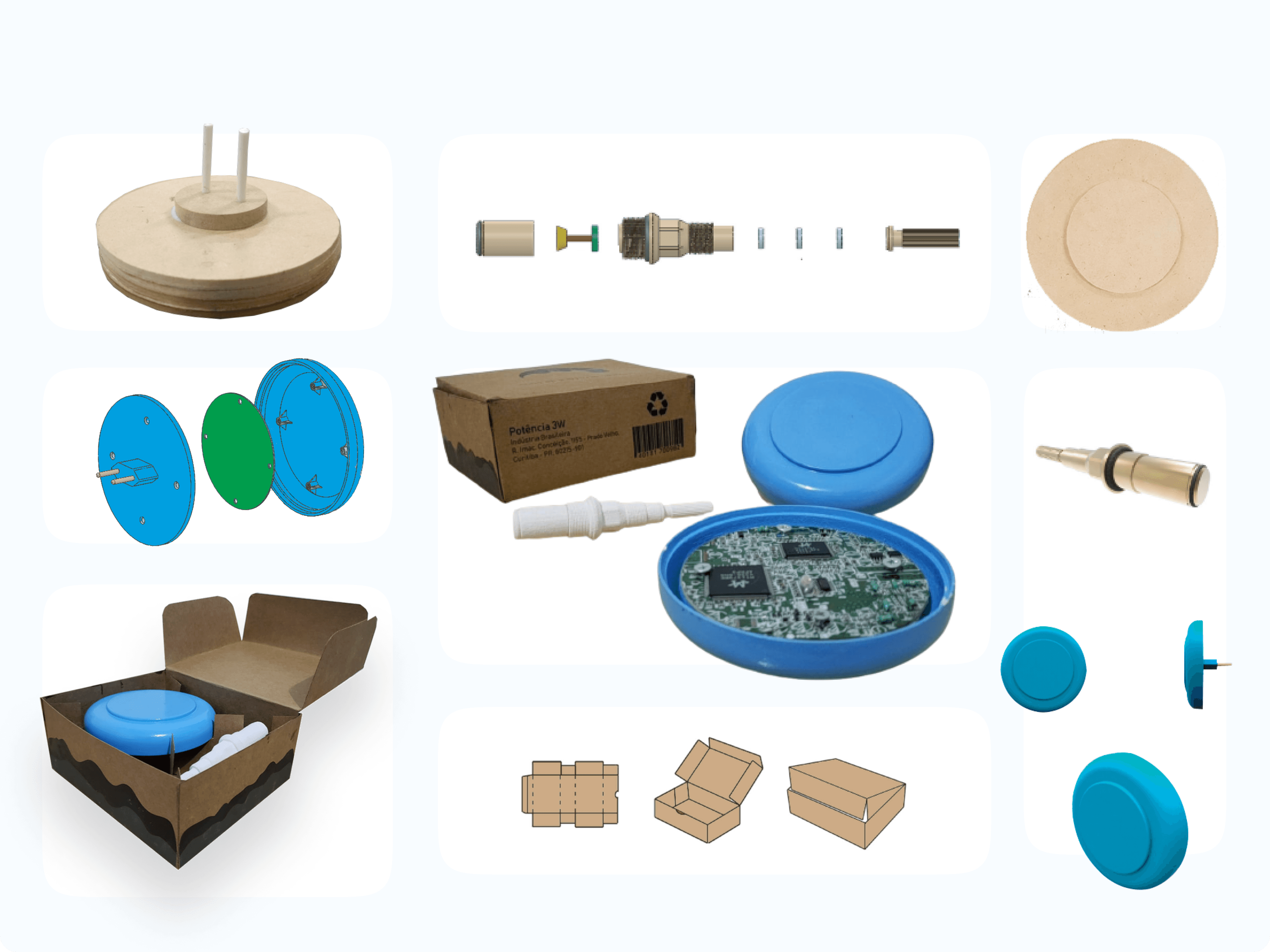
We created a mesh network utilizing Internet of Things (IoT) technology, which includes a water control valve that measures the flow of water passing through the supply pipe. This data is then collected and transmitted to the Hub, which is connected to an internet network.

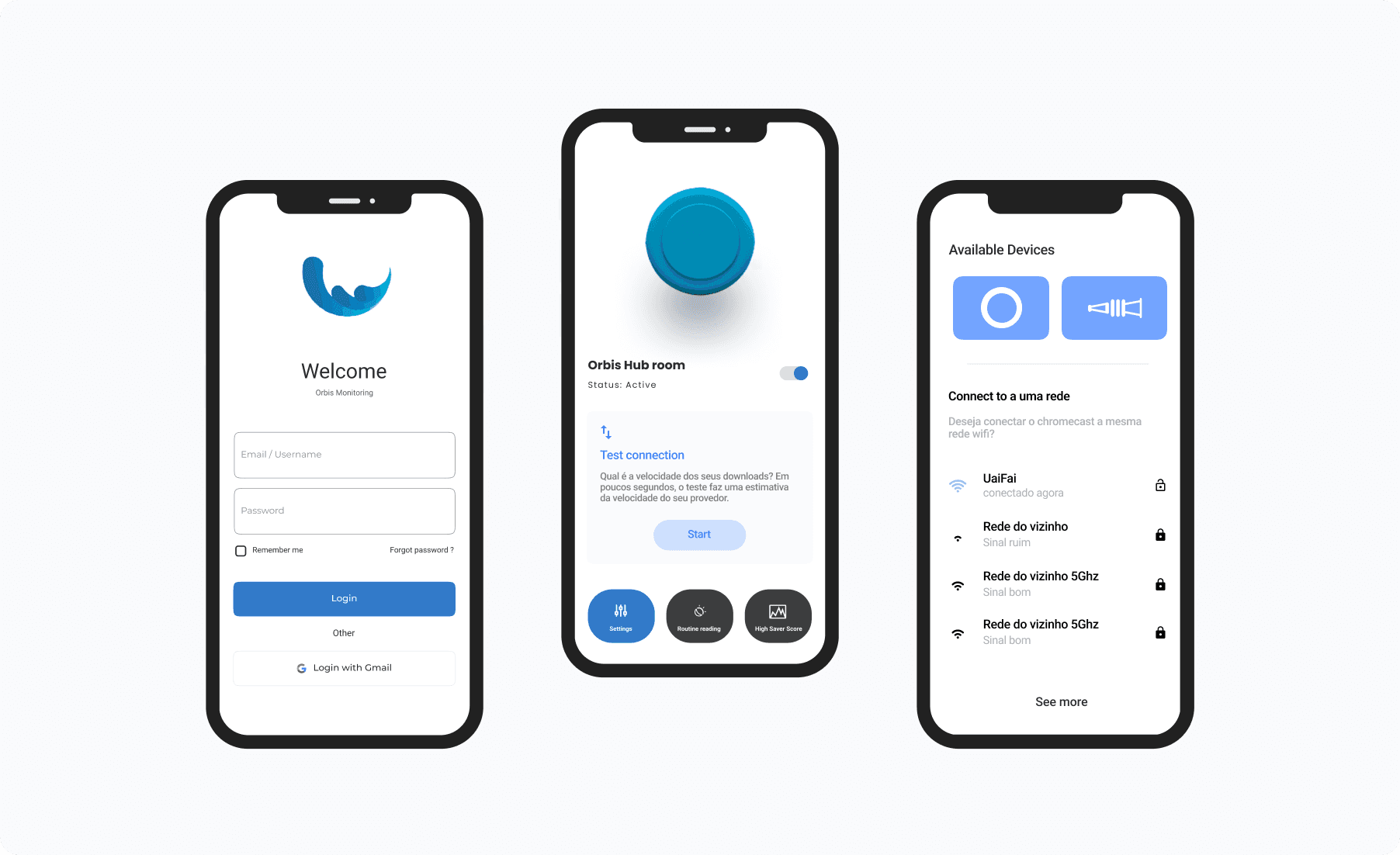
The Hub transmits the data to the product's app, allowing users to view their real-time water consumption and compare their monthly expenses. Our system is designed to be user-friendly and accessible to anyone who wants to better understand their water usage and reduce their environmental impact.
Dasboard

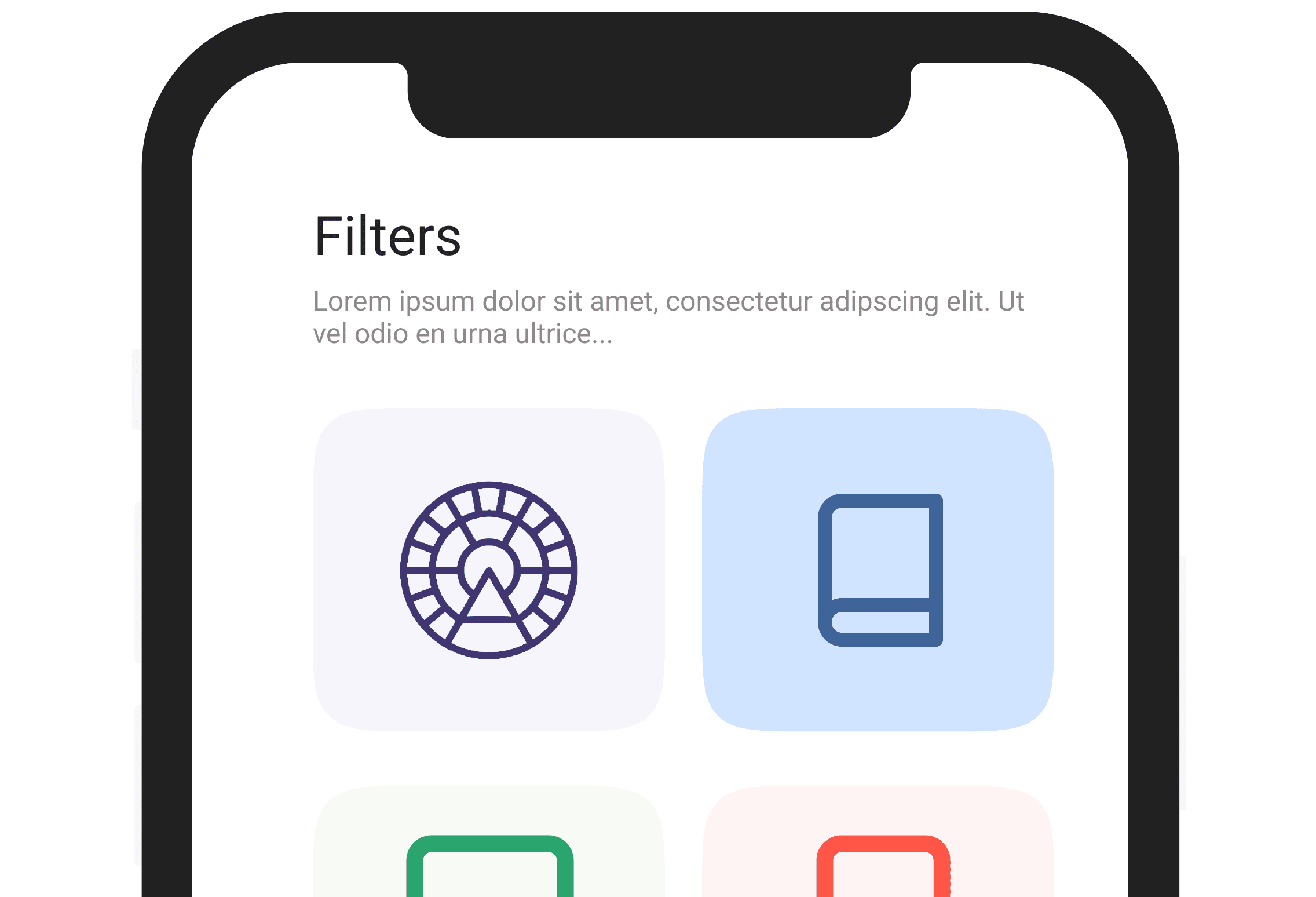
Using filters, we provided a customizable experience for our users to search through establishments that cater to their specific deficiencies and compare the levels of accessibility each establishment provides.
Explore

This feature gave ideas and options to users who don't know exactly what they're looking for. Thereby rewarding accessible establishments with advertisement and giving users an experience of trying new places.

Establishment Incentives badges

Using badges we created a desire in businesses to work towards a more accessible environment. These badges are distributed and updated monthly incentivizing establishments to continue with progress and keep an accessible mindset.

User empowerment

By allowing users to leave their own reviews we were able to give a voice to the voiceless and empower this people group to give their opinion and make a real difference.
Gamefication

A level system that helps users easily determine the accessibility of an establishment. These rankings were based off of real and reliable user reviews.
Prototyping Process

Prototyping Process

Spike was already an idea when I joined Monkey Exchange because small businesses were not being reached in this way. As a design team our job was to work gathering insights on user needs, market trends, and challenges through research and analysis. This phase helped us to validate ideas and create a clear roadmap for product development. With all of these insights and having our assumptions validated we were able to structure conversations with users to understand their real needs.

If you click on the button below, you will see the story behind my design process. I'll guide you through the steps I took during user interviews and demonstrate how I used the insights gained and the feedback from users to shape and deliver the UI layouts.

Spike was already an idea when I joined Monkey Exchange because small businesses were not being reached in this way. As a design team our job was to work gathering insights on user needs, market trends, and challenges through research and analysis. This phase helped us to validate ideas and create a clear roadmap for product development. With all of these insights and having our assumptions validated we were able to structure conversations with users to understand their real needs.

If you click on the button below, you will see the story behind my design process. I'll guide you through the steps I took during user interviews and demonstrate how I used the insights gained and the feedback from users to shape and deliver the UI layouts.

Reflections & Outcomes

All the effort and study of scenarios resulted in a transformation for everyone involved, providing me with a unique learning experience by immersing myself in the process and lives of disabled people.

I also had the opportunity to present my ideas to experienced designers, thanks to Alexandre Barros Neves, a Product Designer from Electrolux Group. This experience offered me valuable feedback and highlighted the impact and quality of my concept. Additionally, I successfully completed my undergraduate course and graduated as a Product Designer. This project marked the first time I truly had the opportunity to work independently and follow a design process from start to finish. It profoundly impacted me as a designer and changed how I view my role.

Throughout this process, I learned many valuable lessons. The most significant takeaway was the importance of understanding the potential users' perspectives and creating solutions that truly meet their needs, not just what we think they need. This experience gave me sensitivity to the unseen and a passion for bringing meaning to the intangible.

Você sabe EXATAMENTE o quanto você consome de água na sua casa?

Por exemplo: Quando você escova os dentes, quantos litros de água você gasta exatamente? ou quando lava o seu carro, quantos litros de água você gasta para lavar ele?

Se o usuário SOUBER essas informações, é possível que ele mude o seu comportamento em relação ao CONSUMO CONSCIENTE de água. Apresento o Orbis uma solução inteligente para monitoramento de consumo de água.

O Orbis é um projeto de Design que tem a ideia de monitoramento e tradução das informações de consumo de água de uma residência, edifício ou estabelecimento comercial. É constituído por uma rede Mesh (internet das coisas) de reparos para registros, que fazem a medição do fluxo de água que passa pelo cano de abastecimento de uma área molhada. Essas informações então são coletadas e transmitidas para o Hub que está ligado em uma tomada e conectado a internet.

O Hub passa essas informações para o aplicativo do produto, onde o usuário poderá visualizar o SEU CONSUMO médio e instantâneo, e visualizar e comparar seus dados com outros usuários.
Other projects